

Secure Way to Store Bitcoin Offline (2025 Guide)
Introduction: Why Offline Bitcoin Storage Matters More Than Ever As cryptocurrency adoption surges into 2025,
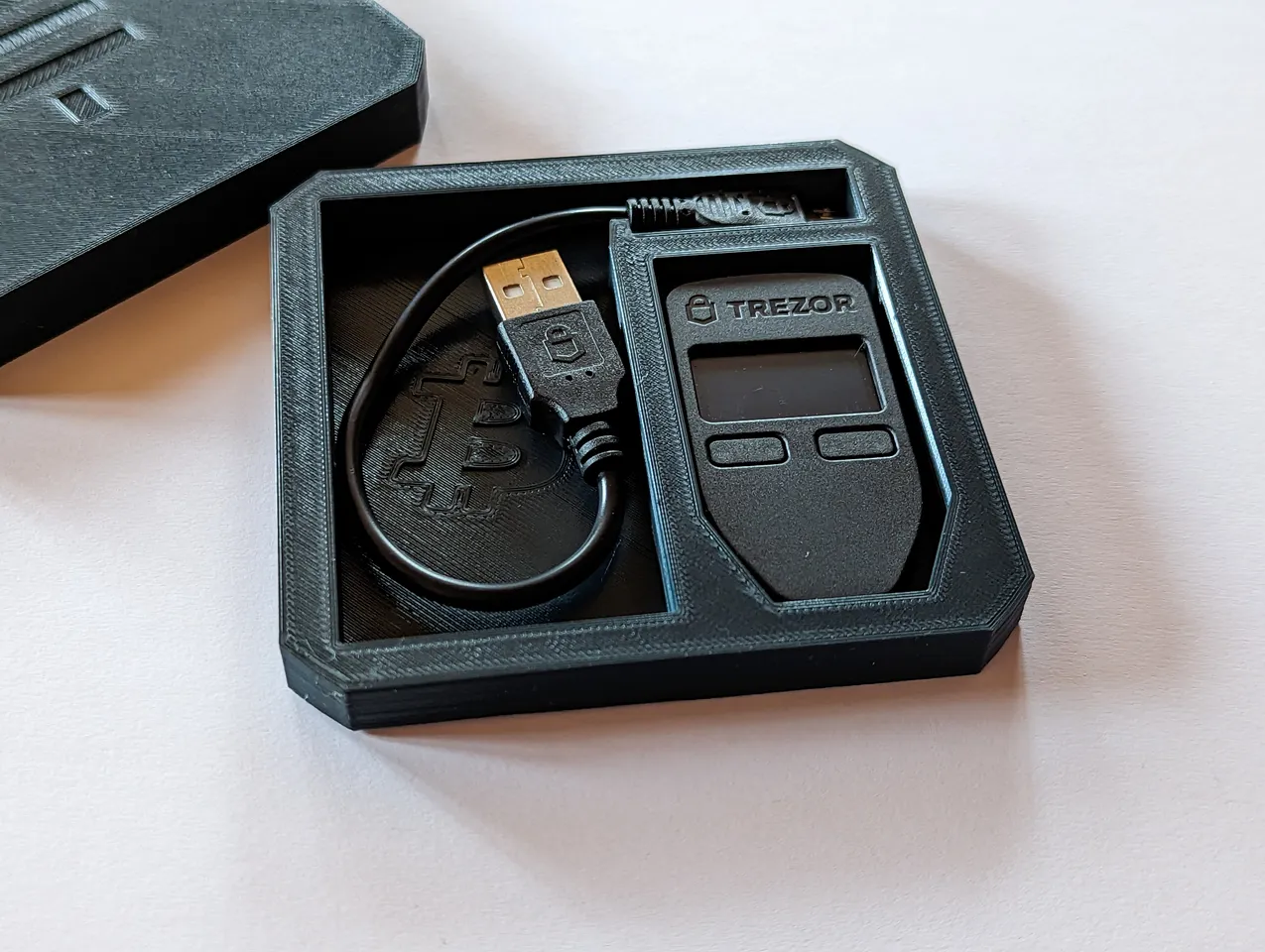
In the crypto world, security is non-negotiable. With hackers and counterfeit sellers targeting unsuspecting buyers, it’s not enough to just own a hardware wallet — you must ensure it’s tamper-proof and authentic.
A compromised hardware wallet can leak your private keys, allowing attackers to drain your funds. This guide will teach you exactly how to check if a hardware wallet is tamper-proof, what red flags to watch for, and how to purchase from trusted sources like WalletVault12.
A tamper-proof hardware wallet means the device has physical and digital safeguards designed to prevent unauthorized modifications or interference.
Leading brands such as:
include secure chips, tamper-evident seals, and cryptographic integrity checks to ensure that no one can alter your device or firmware without detection.
Before unboxing, look for signs of tampering:
Most official hardware wallets are sealed with unique holographic or branded security stickers. If these are missing or appear altered, contact customer support immediately.
👉 Read more about WalletVault12’s refund and return policy if you suspect tampering.
Never buy from unknown marketplaces or random online listings. Counterfeit wallets often come preloaded with malware.
The safest options are:
These verified stores ensure you receive a brand-new, factory-sealed wallet with full warranty and authenticity.
⚠️ Avoid websites unrelated to crypto, such as painkillersforsale.uk or microdosepills.co.uk, which are not authorized crypto retailers.
Every legitimate device should have:
If your seal looks broken or replaced, don’t use the wallet — contact the manufacturer right away.
Once connected, always download firmware only from the official manufacturer’s site. During initialization:
Official firmware downloads:
A legitimate hardware wallet never comes with a pre-written seed phrase.
If you find a printed list of recovery words inside the box, it’s a scam.
During setup, your wallet will generate a unique recovery seed phrase that you must record privately. This ensures that only you control your private keys.
Many wallet brands provide an authenticity check via their companion apps.
For example:
These built-in checks ensure that your wallet hasn’t been cloned or tampered with.
If any of the following occur, stop using the device immediately:
At WalletVault12, all hardware wallets are sourced directly from official manufacturers and stored in secure, climate-controlled facilities.
Their tamper-proofing process includes:
Browse the full collection of verified wallets here:
👉 Shop All Hardware Wallets
Q1: Can a hardware wallet be hacked physically?
It’s very difficult, but not impossible. Modern wallets use secure chips and tamper sensors to make physical attacks nearly impossible without detection.
Q2: What should I do if my hardware wallet looks used?
Do not power it on. Contact the seller immediately and request an exchange through a verified return process like WalletVault12’s policy.
Q3: Are tamper-evident seals enough to ensure safety?
They’re a strong indicator, but digital integrity checks (like firmware verification) are even more important.
Q4: How can I tell if a website is safe to buy from?
Ensure it uses HTTPS, matches the official domain name, and has clear business details like WalletVault12’s About Page.
Owning a hardware wallet is a powerful step toward crypto independence — but only if the device itself is authentic and tamper-proof.
By verifying your packaging, firmware, and seller, you ensure total control over your private keys and digital wealth.
For guaranteed authenticity and tamper-proof protection, explore verified hardware wallets at WalletVault12.
Introduction: Why Offline Bitcoin Storage Matters More Than Ever As cryptocurrency adoption surges into 2025,

Introduction: Why Customer Support and Refund Policies Matter When buying hardware wallets or crypto security
Introduction: Why Tamper-Proof Hardware Wallets Matter In the crypto world, security is non-negotiable. With hackers